
Introduction
Annapurna Base Camp Trekking With Tent Peak Climbing is an exciting Himalayan adventure that combines one of Nepal’s most popular trekking journeys with the challenge of climbing a high-altitude trekking peak. This carefully balanced adventure takes travelers through lush valleys, traditional villages, rhododendron forests, dramatic mountain landscapes, and the spectacular Annapurna Sanctuary before adding the rewarding ascent of Tent Peak, also known as Tharpu Chuli.
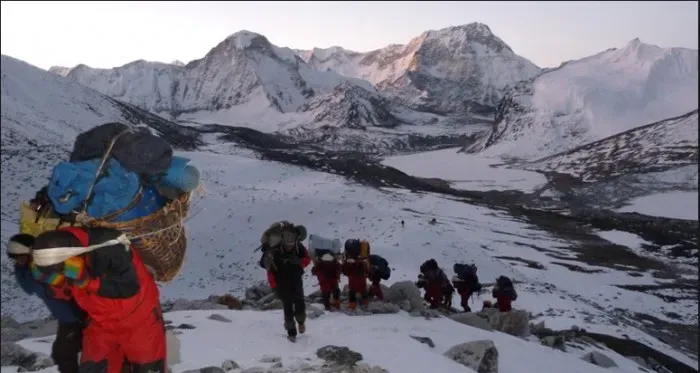
Tent Peak rises to approximately 5,663 meters and provides an excellent opportunity for experienced trekkers to gain introductory mountaineering experience. The journey is particularly attractive because it combines cultural exploration and scenic trekking with practical climbing skills, all within the remarkable setting of the Annapurna region.
The trek to Annapurna Base Camp offers extraordinary views of Annapurna I, Annapurna South, Machhapuchhre, Hiunchuli, and other Himalayan peaks. After exploring the base camp area, climbers prepare for the Tent Peak ascent, where snow, ice, steep terrain, and technical climbing skills become part of the adventure.
Although the itinerary is more accessible than many major Himalayan expeditions, participants should be physically fit and properly prepared. Professional guidance, acclimatization, suitable equipment, and careful attention to mountain conditions are essential for a safe and enjoyable experience.
What Makes This Adventure Special?
The main attraction of Annapurna Base Camp Trekking With Tent Peak Climbing is the opportunity to combine two distinct Himalayan experiences into one expedition.
The Annapurna Base Camp trek introduces travelers to Nepal’s diverse landscapes and cultures. The trail passes through forests, terraced farmland, villages, suspension bridges, and mountain valleys before entering the dramatic Annapurna Sanctuary.
Tent Peak then adds a mountaineering component. Climbers move beyond ordinary trekking terrain and learn to handle climbing equipment such as crampons, harnesses, ropes, and ice axes.
The combination makes the journey particularly appealing to adventure seekers who want to experience the Annapurna region while developing basic high-altitude climbing skills.
Annapurna Base Camp Trek
The Annapurna Base Camp section is the foundation of the adventure. The trail generally begins from a lower-altitude settlement in the Annapurna region and gradually climbs toward the sanctuary.
Along the route, trekkers encounter traditional Gurung and Magar communities, terraced hillsides, forests, waterfalls, and spectacular mountain scenery.
As the trail moves higher, the landscape changes. Dense forests give way to alpine vegetation and rugged mountain terrain. Eventually, trekkers enter the Annapurna Sanctuary, a natural amphitheater surrounded by towering Himalayan peaks.
Annapurna Base Camp itself offers an unforgettable mountain panorama. The surrounding peaks create a dramatic setting, particularly around sunrise and sunset when changing light illuminates the mountains.
Tent Peak Climbing
Tent Peak, commonly known as Tharpu Chuli, stands at approximately 5,663 meters inside the Annapurna Sanctuary.
The mountain provides an opportunity to experience Himalayan peak climbing without undertaking an expedition to one of Nepal’s highest mountains. However, its elevation and technical terrain still require serious preparation.
The climb may involve snow and ice, steep sections, glacier travel, and fixed-rope climbing depending on route and conditions.
Before the summit attempt, climbers normally receive technical instruction and practice with their equipment. This preparation helps participants become familiar with crampons, harnesses, ropes, and ice axes.
The summit provides impressive views of Annapurna I, Annapurna South, Hiunchuli, Machhapuchhre, and the surrounding Himalayan landscape.
Highlights of Annapurna Base Camp Trekking With Tent Peak Climbing
This combined expedition offers a wide variety of natural and cultural highlights:
-
Trekking through traditional Himalayan villages
-
Exploring Gurung and Magar communities
-
Walking through rhododendron and oak forests
-
Enjoying waterfalls, rivers, and terraced farmland
-
Reaching the spectacular Annapurna Base Camp
-
Experiencing the Annapurna Sanctuary
-
Enjoying views of Machhapuchhre and the Annapurna range
-
Learning fundamental mountaineering techniques
-
Climbing Tent Peak above 5,600 meters
-
Camping in a high-altitude mountain environment
-
Experiencing sunrise and sunset over the Himalayas
The variety of experiences is one of the biggest strengths of this itinerary.
Route and Itinerary
The exact route depends on the selected itinerary and transportation arrangements, but the journey generally begins with travel from Kathmandu toward the Annapurna region.
After reaching the trekking starting point, the trail passes through villages and forested hills before gradually gaining elevation.
Trekkers usually spend several days reaching Annapurna Base Camp, with overnight stops in settlements along the route. The itinerary is designed to allow gradual altitude gain and sufficient rest.
After exploring the base camp area, the climbing team moves toward the Tent Peak climbing zone. Base camp and higher camping arrangements are established according to the chosen route and current conditions.
The summit attempt usually begins early in the morning. Climbers ascend through snow and technical terrain before reaching the summit.
After descending from Tent Peak, the team returns through the Annapurna Sanctuary and continues toward lower elevations before eventually returning to the road network and traveling back to Kathmandu or another destination.
Difficulty Level
Annapurna Base Camp Trekking With Tent Peak Climbing is considerably more demanding than a regular Annapurna Base Camp trek.
The trekking section requires several consecutive days of walking, while the Tent Peak ascent introduces technical climbing and higher-altitude challenges.
Participants should have good cardiovascular endurance and be comfortable hiking for several hours each day. Previous high-altitude trekking experience is beneficial.
The technical difficulty can vary according to snow conditions, weather, route conditions, and the experience of the climbing team.
Participants without extensive climbing experience should undertake the expedition with professional mountain guides who can provide instruction and technical support.
Physical Preparation
Proper physical training is important before undertaking this combined adventure.
Cardiovascular activities such as hiking, running, cycling, swimming, and stair climbing can improve endurance. Regular long-distance walks are particularly useful because the trekking section involves sustained activity over multiple days.
Strength training should focus on the legs and core. Exercises such as squats, lunges, step-ups, and planks can help prepare the body for steep terrain.
It is also helpful to train with a backpack so that the body becomes accustomed to carrying additional weight.
For the climbing section, participants should practice fundamental mountaineering techniques. Learning to walk with crampons, use an ice axe, wear a harness, and move safely on fixed ropes can make the summit experience more manageable.
Altitude and Acclimatization
Altitude management is an important consideration during Annapurna Base Camp Trekking With Tent Peak Climbing.
Although Annapurna Base Camp is lower than many major Himalayan destinations, Tent Peak reaches more than 5,600 meters. At such elevations, the body experiences significantly reduced oxygen availability.
A well-designed itinerary should allow gradual elevation gain and adequate rest.
Possible symptoms of altitude sickness include headache, nausea, dizziness, fatigue, and sleep difficulties. Serious symptoms require immediate attention and may require descent.
Participants should inform their guides about any concerning symptoms and avoid pushing themselves solely to maintain the planned schedule.
Staying hydrated, eating nutritious meals, walking at a steady pace, and getting adequate rest can support acclimatization.
Best Time for the Expedition
The best seasons for Annapurna Base Camp Trekking With Tent Peak Climbing are generally spring and autumn.
Spring, from March to May, provides pleasant trekking conditions and increasingly favorable temperatures. The lower forests are especially attractive because rhododendrons and other flowers may be in bloom.
Autumn, from September to November, is another popular period. The skies are often clearer after the monsoon, creating excellent mountain visibility.
Winter can be significantly colder, particularly around Tent Peak and higher camping areas. Snow and freezing temperatures may increase the difficulty of the climb.
The summer monsoon brings rainfall to lower sections of the Annapurna region. Trails can become muddy and slippery, and cloud cover may reduce mountain visibility.
Even during the preferred seasons, mountain weather can change rapidly. The final decision regarding a summit attempt should depend on current conditions and professional assessment.
Equipment for Tent Peak Climbing
Proper equipment is essential for the climbing section.
A typical equipment list may include:
-
Mountaineering boots
-
Crampons
-
Ice axe
-
Climbing harness
-
Helmet
-
Carabiners
-
Ascender and appropriate rope equipment
-
Insulated or down jacket
-
Thermal base layers
-
Waterproof and windproof clothing
-
Warm gloves and socks
-
Mountaineering sunglasses or goggles
-
Headlamp with spare batteries
-
Cold-weather sleeping bag
-
Trekking poles
-
Backpack and daypack
-
Water bottles or hydration system
-
Personal first-aid supplies
The exact equipment requirements depend on the season, climbing route, operator, and current mountain conditions.
Accommodation and Food
During the trekking portion, travelers generally stay in teahouses or lodges in local villages. These provide basic rooms and meals.
The facilities become more limited at higher elevations, and the Tent Peak climbing section typically involves organized camping.
Meals along the trekking route commonly include dal bhat, rice, vegetables, noodles, soups, potatoes, pasta, and other simple dishes.
At high altitude, maintaining sufficient calorie intake is important because the body uses more energy in cold conditions and during strenuous climbing.
Travelers can also carry lightweight snacks such as nuts, dried fruit, chocolate, and energy bars.
Permits, Guides, and Insurance
The combined expedition requires the applicable trekking and climbing permits. Requirements and fees can change, so travelers should confirm the current regulations before departure.
Professional climbing guides are strongly recommended for Tent Peak. Experienced guides can provide technical instruction, route management, altitude monitoring, weather assessment, and emergency support.
Travel insurance should specifically cover high-altitude trekking and mountaineering. Participants should verify that their policy includes emergency evacuation and activities at the elevations involved.
A reputable trekking company can also arrange transportation, accommodation, permits, porters, camping equipment, meals, and climbing logistics.
Responsible Trekking and Safety
Responsible travel is essential in the Annapurna region. Trekkers should avoid leaving plastic bottles, food packaging, or other waste along the trail.
Visitors should remain on established paths and respect local communities, religious sites, forests, and wildlife.
Safety should remain the priority throughout the journey. Weather conditions, snow, altitude, and individual health can all influence the summit attempt.
Participants should remain flexible and understand that reaching Tent Peak’s summit is never guaranteed. Delays or changes may be necessary when conditions are unsuitable.
Conclusion
Annapurna Base Camp Trekking With Tent Peak Climbing offers an exceptional combination of Himalayan trekking, cultural exploration, and mountaineering. The journey begins among the green hills and traditional villages of the Annapurna region before progressing into the spectacular Annapurna Sanctuary, where towering peaks surround the trail.
Reaching Annapurna Base Camp provides an unforgettable trekking achievement, while the ascent of Tent Peak adds a more technical and adventurous dimension to the journey. Climbers can develop fundamental mountaineering skills while experiencing snow, glaciers, high camps, and extraordinary Himalayan scenery.
The expedition requires more preparation than a conventional trek. Good physical fitness, gradual acclimatization, appropriate climbing equipment, professional guidance, and suitable travel insurance are important for managing the challenges of high-altitude mountaineering.
Spring and autumn generally provide favorable conditions, although mountain weather can change quickly in any season. Participants should remain flexible and always place safety above summit objectives.
For adventure travelers seeking a comprehensive Himalayan experience, Annapurna Base Camp Trekking With Tent Peak Climbing provides an impressive blend of nature, culture, trekking, and mountaineering. With responsible preparation and respect for the local environment and communities, this journey can become a memorable and rewarding adventure in the heart of Nepal’s Annapurna Himalayas.

